Endoscopic Spinal Surgery
Ultra-Minimally Invasive Spinal Care
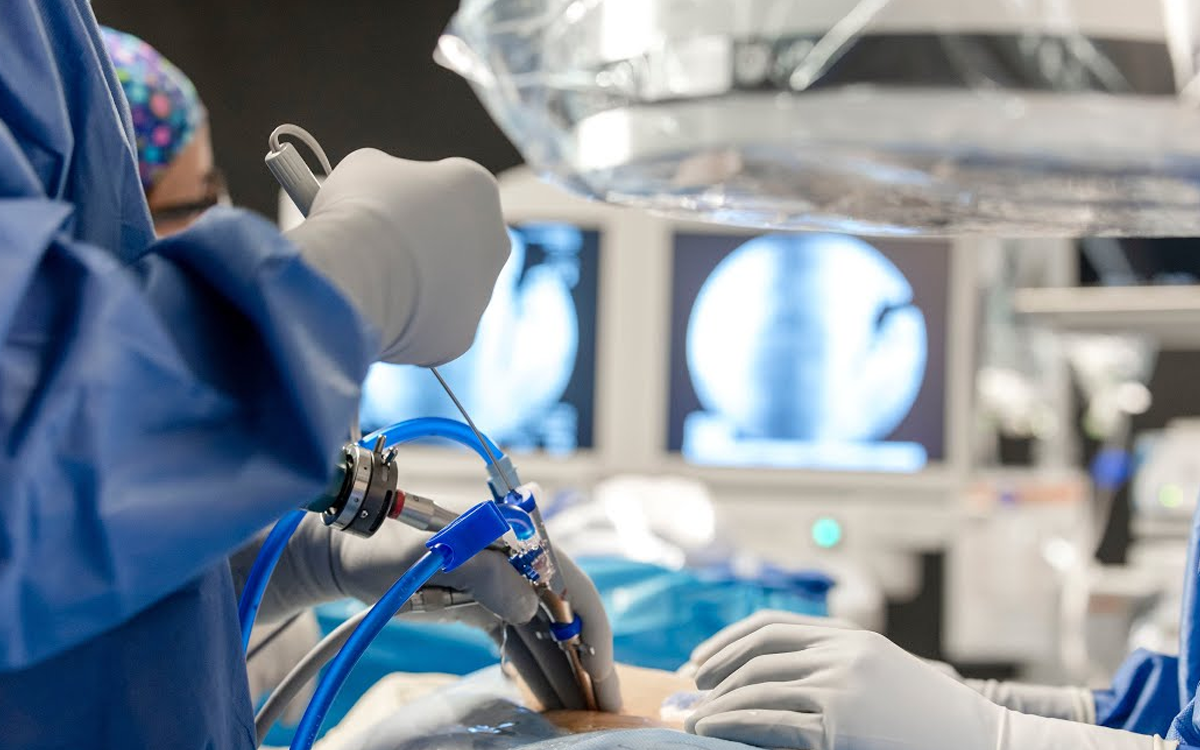
Endoscopic spinal surgery is one of the most advanced, ultra-minimally invasive surgical techniques available today. Standard minimally invasive surgery uses small incisions, but endoscopic surgery utilizes a micro-sized camera (endoscope) inserted through an incision sometimes smaller than a dime.
Dr. Sunil Kutty uses high-definition endoscopic visualization and specialized micro-instruments to treat disc herniation, sciatica, and spinal stenosis with exceptional precision. This results in virtually no muscle damage, rapid recovery, and frequently, same-day discharge.
The Endoscopic Advantage
The benefits of endoscopic surgery represent the pinnacle of spinal care:
-
Incision size of less than 1 centimeter
-
No cutting or tearing of spinal muscles
-
Minimal to no blood loss
-
Extremely low risk of infection
-
Often performed under local anesthesia
-
Immediate post-operative mobility
Targeted Endoscopic Treatments
This state-of-the-art technique is ideal for specific spinal pathologies:
-
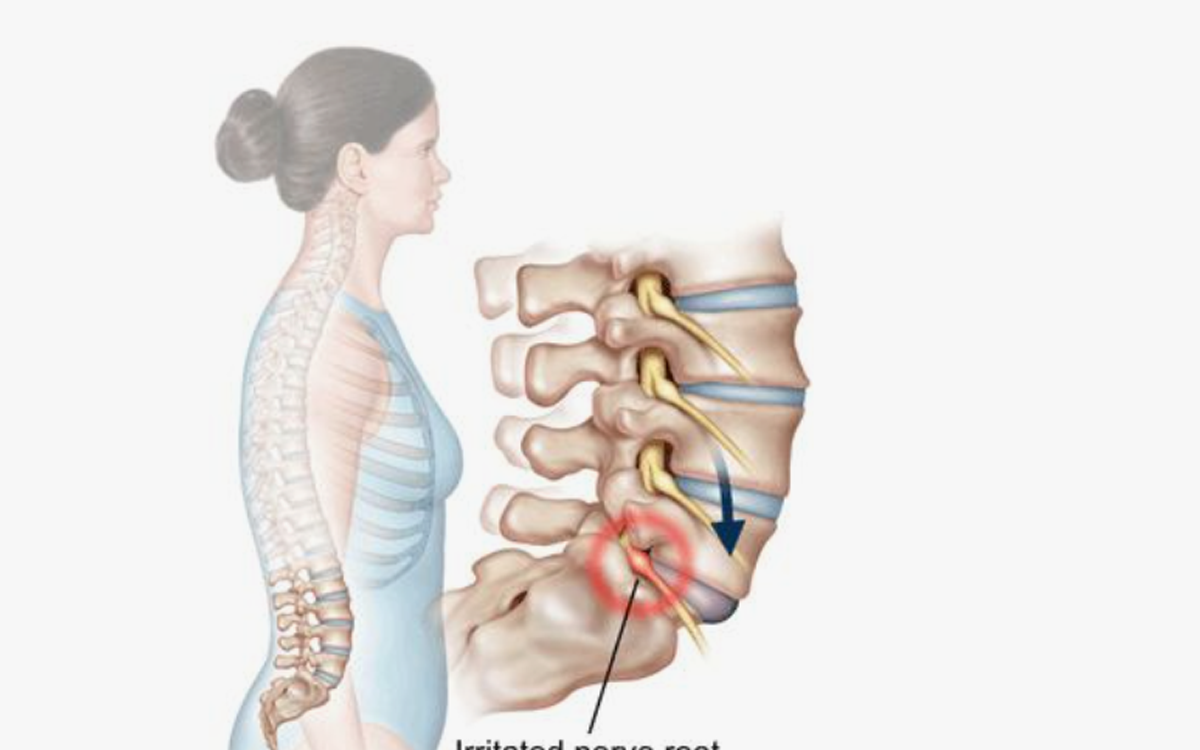
Endoscopic Discectomy: Removing extruded disc fragments irritating spinal nerves.
-
Endoscopic Foraminotomy: Widening the nerve passage to relieve compression.
-
Lumbar Stenosis Relief: Precisely clearing overgrowth to free trapped nerves.
-
Facet Joint Debridement: Treating localized facet joint pain.
Am I awake during endoscopic spinal surgery?
It depends on the patient and the specific condition, but many endoscopic procedures can safely be performed using conscious sedation and local anesthesia.
Does insurance cover endoscopic spinal surgery?
Most major insurance providers cover endoscopic procedures when deemed medically necessary, similar to other forms of spinal surgery.
Is there a high risk of disc re-herniation?
The risk is similar to or lower than traditional microdiscectomy, roughly 3-5%, provided patients adhere to post-operative rehabilitation guidelines.
Explore Our Neurosurgical Services
Specialized care for complex brain and spine conditions